
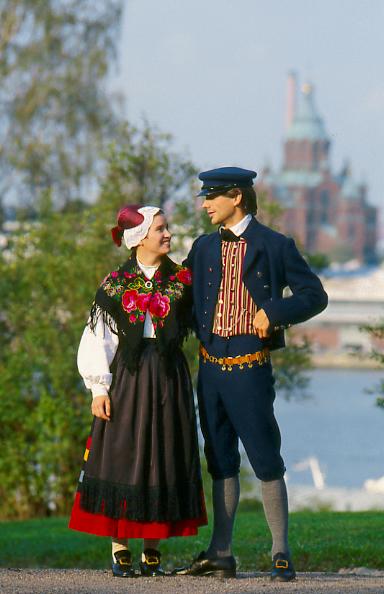
Väinämöisen hattu, або väiski, — традиційний головний убір північних країн загалом і Фінляндії зокрема. По суті це вовняна або бавовняна шапка зі смугами, в обліпочку. Щоб хоч якось відрізняти фінів від інших народів, починаючи приблизно з XVIII століття, їх у мистецтві зображали саме в таких шапках. Від початку ці шапки були біло- (насправді від суворої фінської погоди сіро-) сині, тобто кольорів фінського прапора.
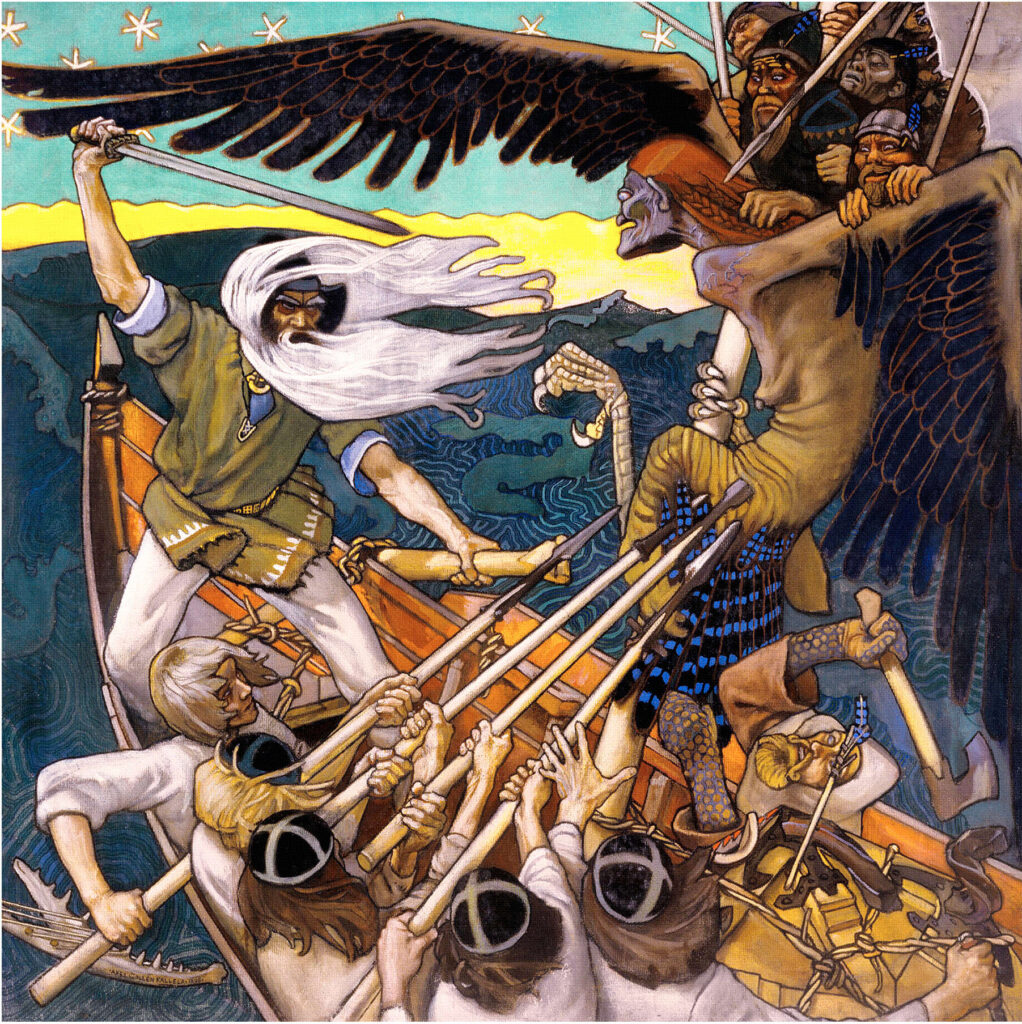
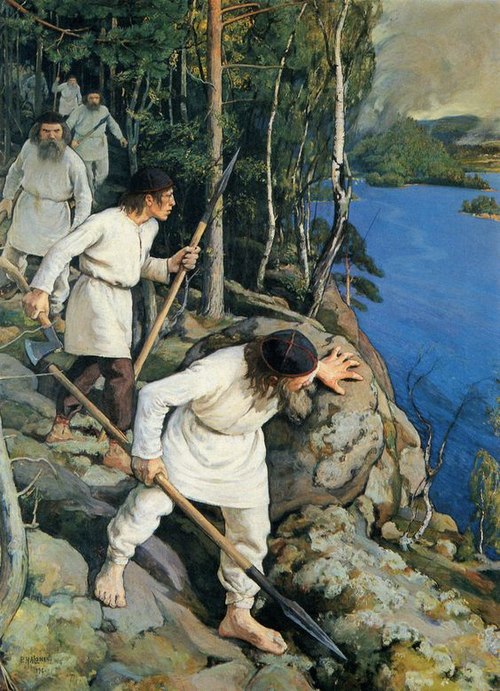
Пізніше шапки з’явилися на картинах Акселі Галлен-Каллели та Пекки Халонена — вже в інших кольорах, але того самого фасону. Галлен-Каллела зобразив Вяйнямьойнена, головного героя епосу Калевала, у цій шапці, і назва закріпилася.
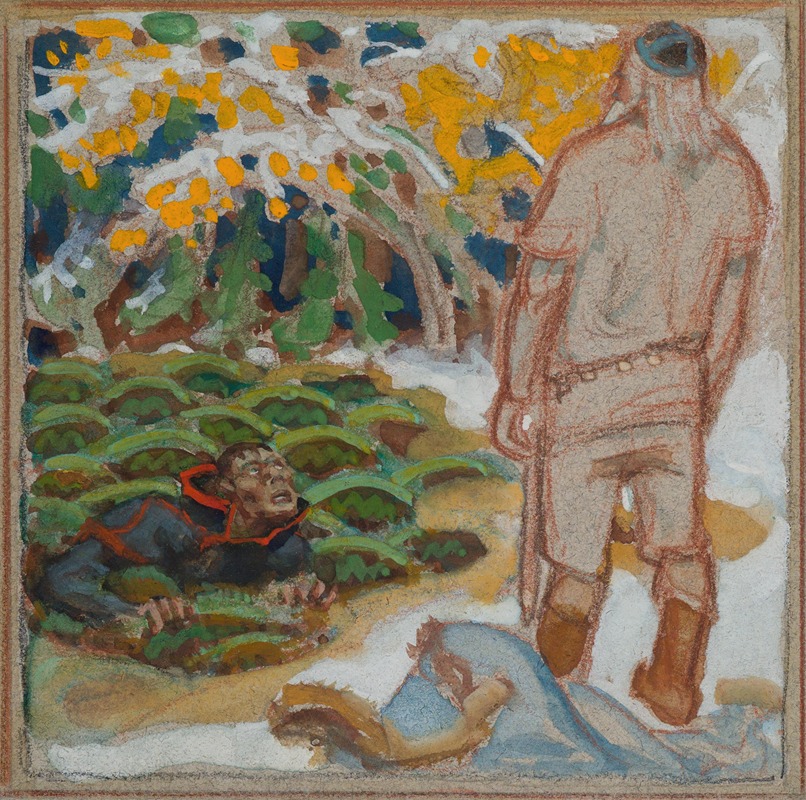
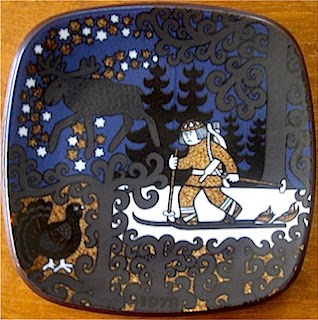
На початку ХХ століття, коли фіни боролися за незалежність від російської імперії, на зібраннях таємних і не дуже організацій можна було побачити чоловіків у таких шапочках. Так вони підкреслювали, що не є ані шведами, ані росіянами, а саме фінами.
У 2000-х з’явилися кумедні комікси Кароліни Корхонен про типового фіна Матті, який ніяково почувається в різних життєвих ситуаціях. У цих коміксах Матті предстає саме в цій шапочці у кольорах фінського прапора. Авторка в одному з інтерв’ю розповідала, що її батько надягав шапочку Вяйнямьойнена під час подорожей за кордон, щоб підкреслити власну фінськість. Це страшенно дратувало Кароліну, і вона намагалася робити вигляд, ніби вона сама тут відпочиває. У свої-то 10 років.
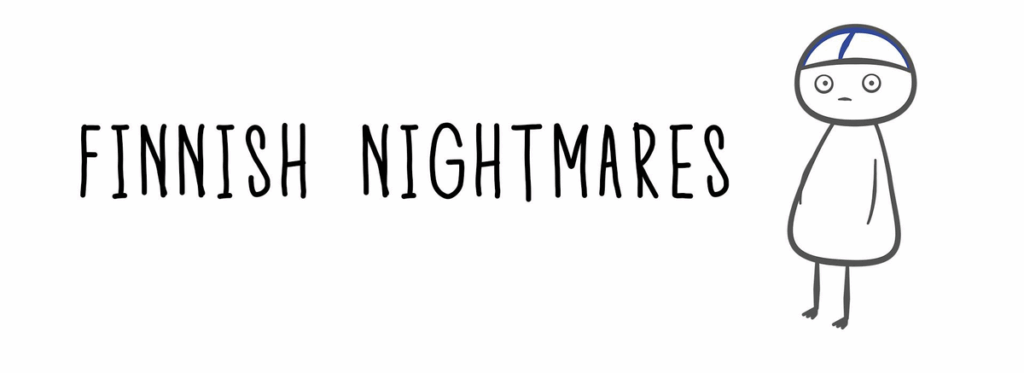
Якось так сталося, що у фінів є національний костюм, але немає повсякденних елементів фінськості. У 2018 році журналіст Helsingin Sanomat опитував людей на вулиці, чи могла б шапка Вяйнямьойнена стати таким елементом, і фіни робили невизначене обличчя.
Моя подруга, яка давно живе у Франції, нещодавно була на приватній вечірці, присвяченій отриманню французького громадянства. Дрес-кодом були «французькі кліше», тож люди приходили в тільниках, в червоній помаді, у беретах та з багетами.
Я замислилася, що б сама вдягнула на таку ж вечірку у Фінляндії. Моїми варіантами були сукня Marimekko, легінси та гумові чоботи. Бо “с” – стиль, “С” – Суомі. Потім спитала Маркуса, і його першою відповіддю була «väiski». Одразу помітно, хто з нас народився у Фінляндії, а хто понаїхав.